Skip to content

Halogen-free flame retardancy with magnesium hydroxide

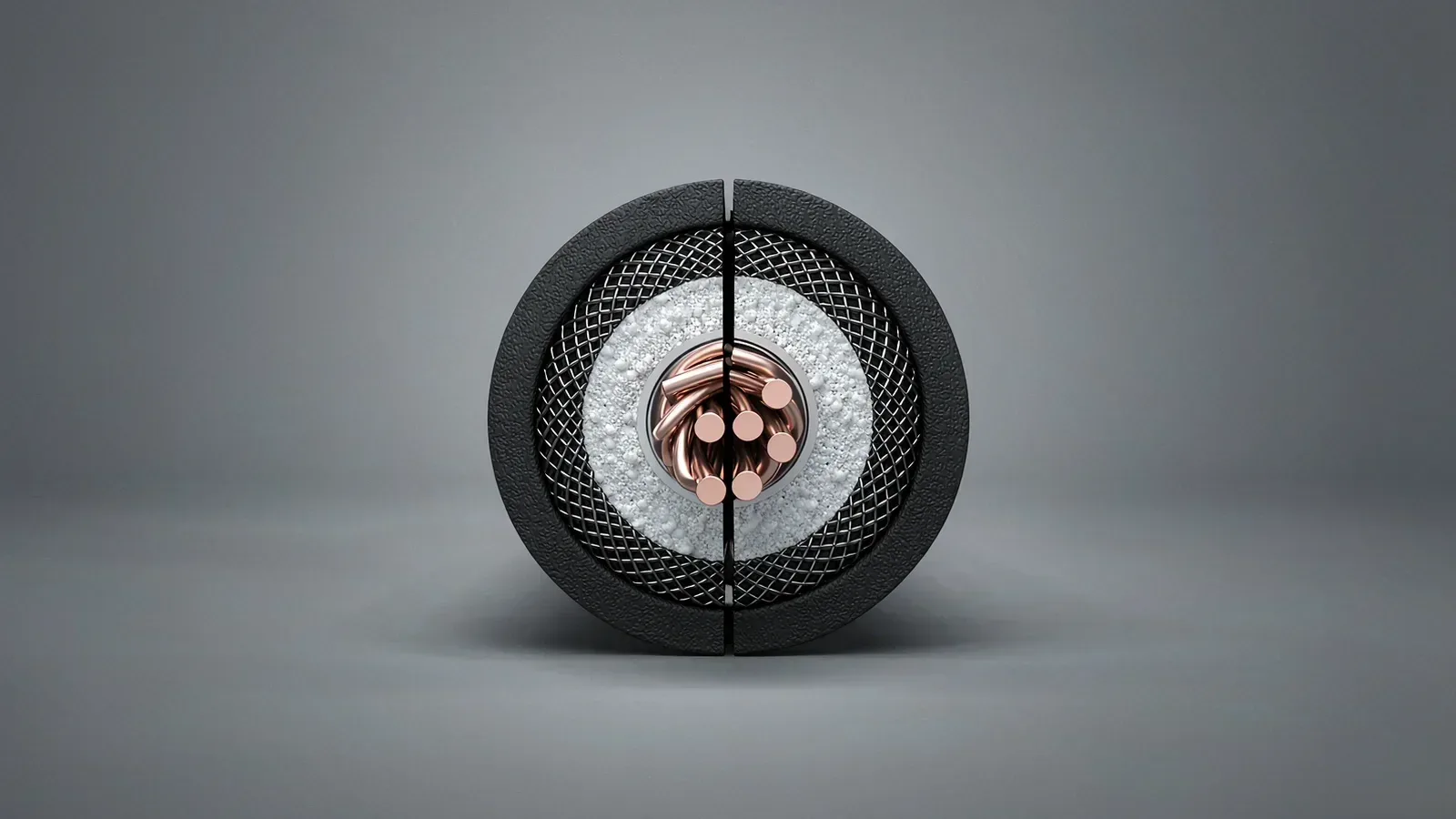
Mg(OH)₂ does not fight fire with chemistry that produces toxic gas. It gets hot, decomposes endothermically, releases water vapour and leaves a magnesium oxide char. That single difference is why it is specified in cables, rail interiors and building products.

What goes wrong in this industry

Halogenated systems give off corrosive gas that destroys electronics and metal in the same enclosure.

Smoke density limits keep tightening in cable, rail and building specs.

High loading wrecks tensile strength and elongation — usually because the filler was never surface-treated.

Why Flame Retardants

01Low smoke — smoke density stays below halogenated systems at comparable loading.
02Zero halogen — nothing corrosive comes off the burning part.
03Non-toxic and odourless — no halogenated dioxin precursors, no amine or phosphate odour.
04Good compatibility with the base polymer — surface-treated grades wet out in polyolefins and elastomers with less coupling agent.
05Small effect on mechanical properties — with the right surface treatment, tensile strength and elongation hold up.

The trade-off you should plan for

Mg(OH)₂ needs higher loading than a halogenated system. That is the cost of zero halogen. We reduce it through particle size and surface treatment rather than by adding synergists you did not ask for.

How magnesium hydroxide interrupts fire

One endothermic reaction does three things at once.

Heat reaches decomposition temperature Mg(OH)₂ H₂O ↑ Mg(OH)₂ splits and releases water vapour MgO A MgO char seals the surface

Mg(OH)₂ + heat → MgO + H₂O ΔH > 0 (endothermic)

Schematic only. Onset temperature and mass loss depend on grade, particle size and surface treatment — request the TDS for measured values.

Recommended grades

Magnesium Hydroxide

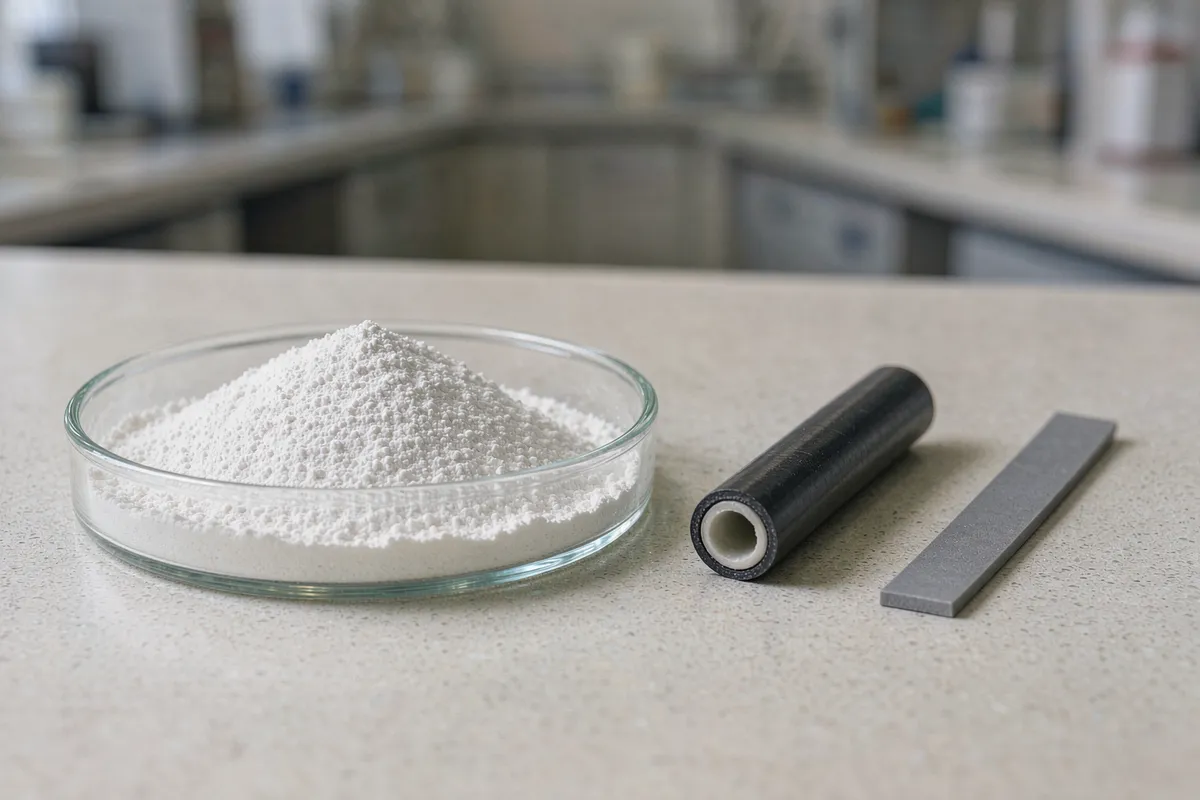
Flame Retardant Magnesium Hydroxide

Built for low-smoke zero-halogen compounds: decomposes endothermically above 300 °C, releases water vapour rather than toxic or corrosive gas, and is surface-treated so it disperses in polyolefins without overloading the formulation with coupling agent.

View details
Magnesium Hydroxide

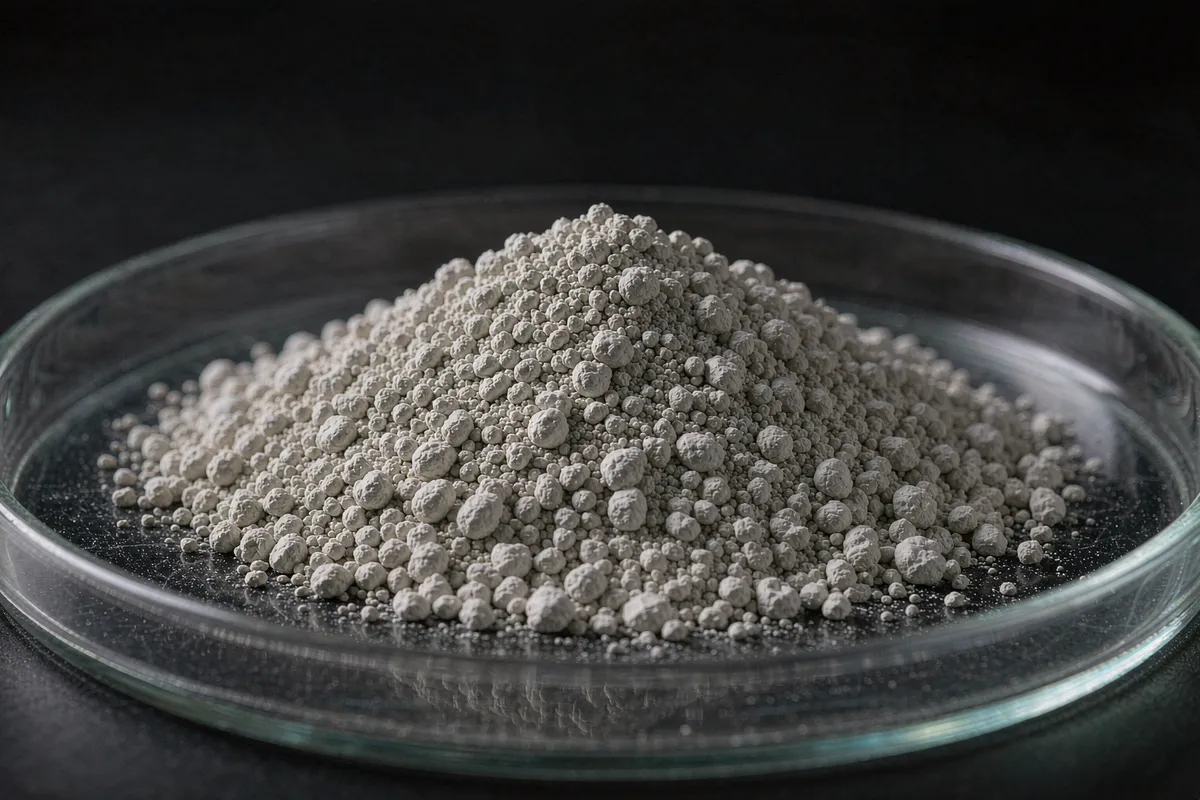
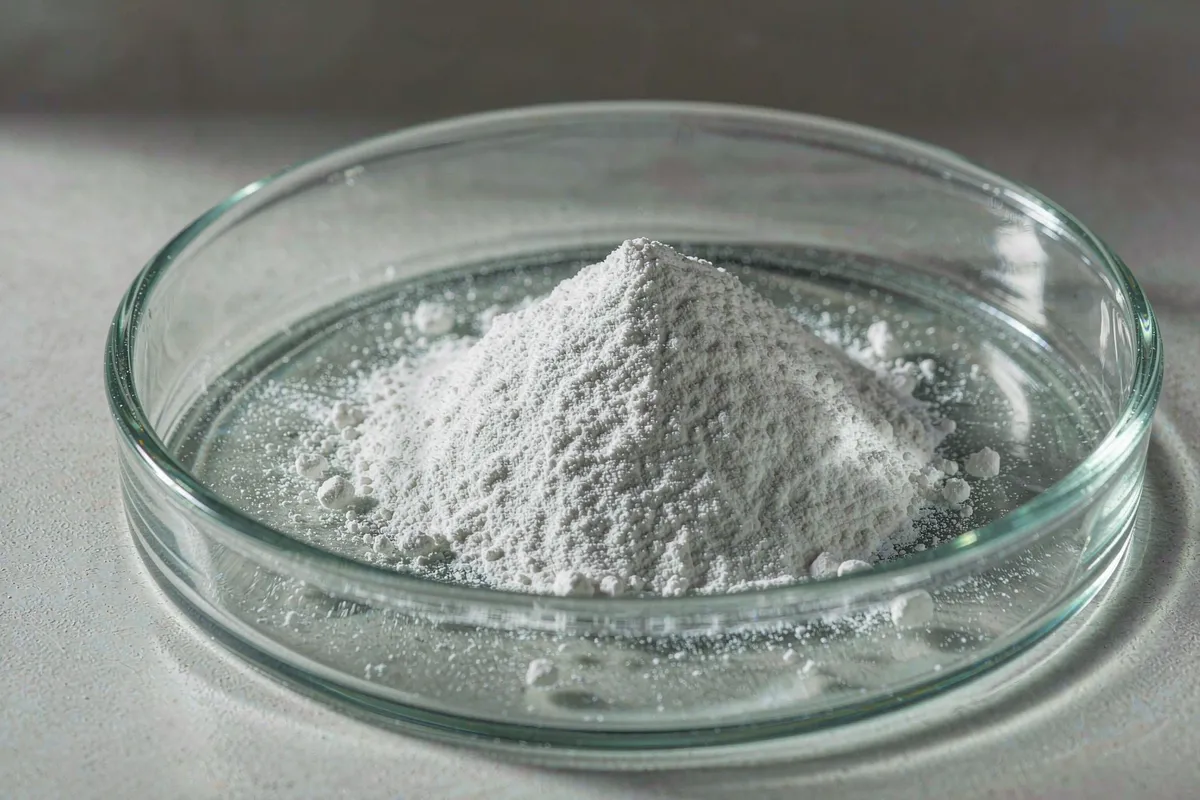
Surface-Modified Magnesium Hydroxide

Mg(OH)₂ with a stearate, silane or customer-specified surface treatment, for compounds where dispersion and mechanical-property retention decide the formulation.

View details
Magnesium Oxide ZH-V2

High Purity Magnesium Oxide ZH-V2

≥ 99.7% · ≤ 0.03%

Our highest-assay magnesium oxide: 99.7% MgO minimum, with CaO, chloride and iron held low enough for electronic ceramics and soft magnetic ferrite. Choose it when trace impurities, not reactivity, are the risk.

View details

Processing notes

Three parameters decide it: decomposition onset must sit above your processing temperature; particle size D50 sets the balance between flame retardancy per phr and flow; surface treatment decides dispersion and how much of your mechanical properties survive.

Common questions

Can I get third-party inspection before shipment?

Yes. Independent inspection before loading is supported on request; you nominate the inspection company and the scope. Every batch is released against its own certificate of analysis in any case, and the tested value — not a range — is reported for every parameter.

Which heavy metals do you report?

Lead, arsenic, cadmium and mercury, tested per batch on food and pharma lots, with the measured value on the COA.

Which certifications do you hold?

We hold ISO 9001 for the design, development, manufacture and sales of magnesium compounds. No certificate number, issuing body or validity date is published until the client supplies them. Other certifications, including REACH registration, food-contact and pharmacopoeia documentation, halal and kosher, are confirmed per destination market before quotation — ask our team for the current document set.

Get a Sample

Tell us which grade you want to test. Samples are dispatched with a batch certificate of analysis.