Skip to content

Magnesium Hydroxide

Magnesium Hydroxide Flame Retardant

Built for low-smoke zero-halogen compounds: decomposes endothermically above 300 °C, releases water vapour rather than toxic or corrosive gas, and is surface-treated so it disperses in polyolefins without overloading the formulation with coupling agent.

CAS 1309-42-8 · Mg(OH)₂

Minimum order quantity, lead time and packing depend on the grade and the order size — confirm them with us on an inquiry.

Specification

Full specification in the batch TDS

What you see above is what we publish openly. The complete parameter set — including the values still marked to be confirmed — is issued with the batch technical data sheet. Download the current TDS, or ask us for the full specification and the latest certificate of analysis.

Guaranteed value — Typical value — — On request
Flame Retardant Magnesium Hydroxide — Specifications
SpecificationsGuaranteed valueTypical value
Mg(OH)₂ (%) On request On request On request
MgO (ignited basis) (%) On request On request On request
CaO (%) On request On request On request
Chloride (Cl-) (%) On request On request On request
Iron (Fe) (%) On request On request On request
Acid insoluble matter (%) On request On request On request
Moisture (%) On request On request On request
Loss on ignition (%) On request On request On request
Specific surface area (m²/g) On request On request On request
Particle size D50 (µm) On request On request On request
Bulk density (g/ml) On request On request On request
Whiteness (%) On request On request On request
Surface treatment On request On request On request
Decomposition onset (°C) On request On request On request

Cells marked Values marked "On request" are grade-specific; our technical team issues them with the full data sheet.

Applications

Flame Retardants — Mg(OH)₂ does not fight fire with chemistry that produces toxic gas. It gets hot, decomposes endothermically, releases water vapour and leaves a magnesium oxide char. That single difference is why it is specified in cables, rail interiors and building products.
Rubber & Elastomers — In a rubber compound MgO is a vulcanising agent and vulcanisation activator. It is not an accelerator, and it is not a filler. Confusing the three is why a compound that looked right on paper scorches on the mill.

Packaging and storage

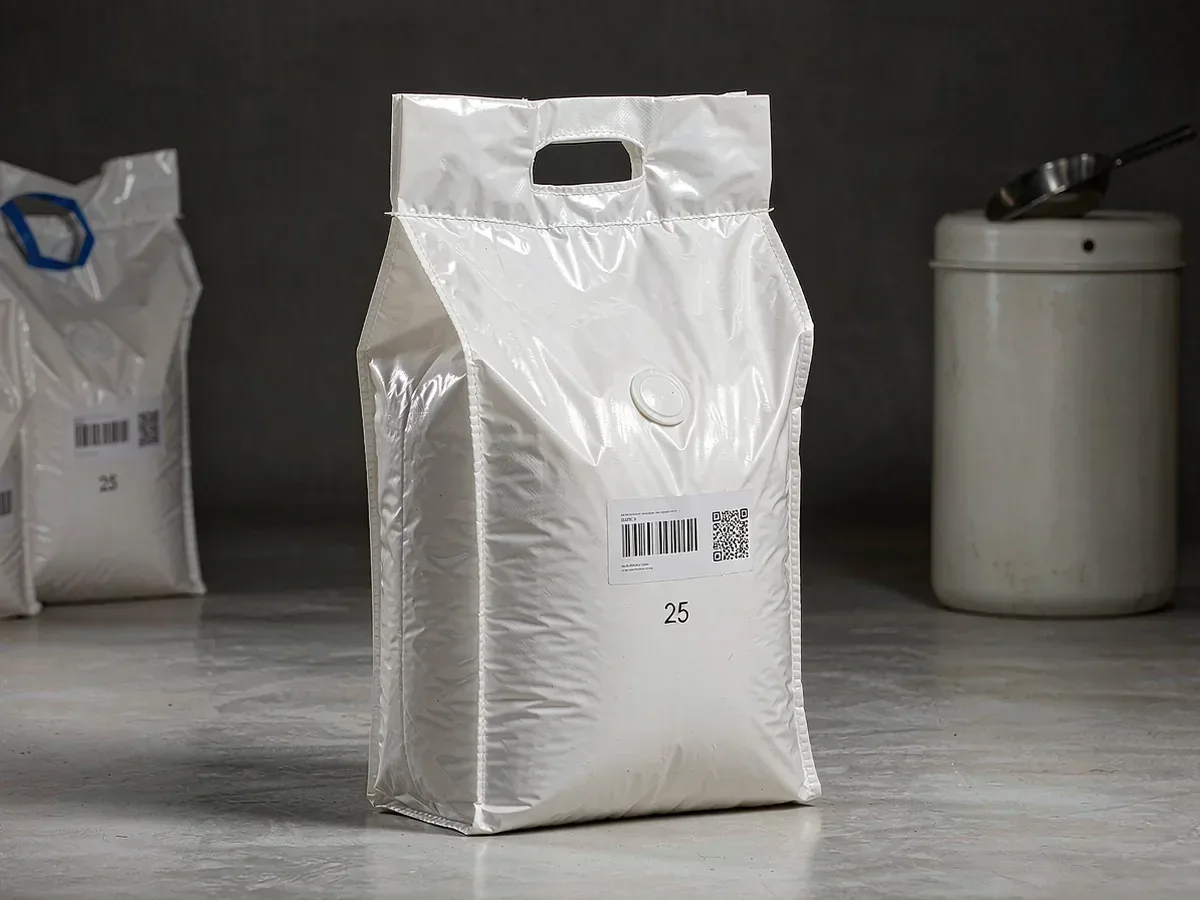
25 kg multi-wall kraft bags with PE inner liner, palletised

  • 500 kg FIBC
  • 1,000 kg FIBC
  • neutral bags
  • custom print

Store sealed, dry, off the floor, in delivery order. Magnesium compounds pick up moisture and CO₂ from air.

Documents

Full Product Catalogue

CATALOG·PDF·Typical value·en

Magnesium Oxide Grade Table

TDS·PDF·Typical value·en

Magnesium Hydroxide Grade Table

TDS·PDF·Typical value·en

Magnesium Carbonate Grade Table

TDS·PDF·Typical value·en

Packing & Storage Guide

OTHER·PDF·Typical value·en

Sample Certificate of Analysis (example)

COA·PDF·Typical value·en

Related grades

Magnesium Hydroxide ZH-H1

High Purity Magnesium Hydroxide ZH-H1

High purity magnesium hydroxide. High activity and high dispersibility let it compound into polymers easily, so it works as a functional filler and as a precursor to high purity MgO — where a hydroxide route disperses better in the process than a pre-calcined oxide.

View details
Magnesium Hydroxide ZH-H2

High Purity Magnesium Hydroxide ZH-H2

≥ 99% · ≤ 0.35%

High purity magnesium hydroxide at 99% minimum, with acid insoluble matter held to 0.07% and chloride to 0.35%. Sits alongside ZH-H1 for electronic and functional materials; the two differ in impurity limits and bulk density, not in chemistry.

View details
Magnesium Hydroxide ZH-H3

High Purity Magnesium Hydroxide ZH-H3

≥ 99% · ≤ 0.5%

High purity magnesium hydroxide, third step in the H series. Held at P1 deliberately: H1/H2/H3 differ too little to publish all three without thin content.

View details

Questions about this grade

In a rubber compound, is magnesium oxide a vulcanising agent, an accelerator or a filler?

It is a vulcanising agent and a vulcanisation activator — not an accelerator and not a filler. MgO controls scorch time, raises crosslink density and neutralises the acidic by-products of vulcanisation. If you dose it as if it were a filler, the compound will not cure the way your formulation expects.

What is the difference between light and heavy magnesium oxide or carbonate?

Bulk density. Light grades have low bulk density and high specific surface area — they react faster and occupy more volume per kilogram. Heavy grades are dense and free-flowing. Light is the conventional choice for rubber; heavy suits technical ceramics and volume-limited processes. A container of light material fills by volume long before it fills by mass, so quote by tonne and plan by cubic metre.

What is “active” magnesium oxide, and when do I need it?

Active MgO has a high specific surface area — ZH-M600 runs at 175 m²/g minimum and ZH-V150 at 150 m²/g. Specify it when reactivity is what your formulation is short of: adsorbents for harmful gases, electronic components, inks, and rubber or plastics where it functions as both filler and reinforcing agent. If the constraint is purity rather than reactivity, ZH-V2 or ZH-V3H is the right choice instead.

Request a Quote Now

Minimum order quantity, lead time and packing depend on the grade and the order size — confirm them with us on an inquiry.