Skip to content

Magnesium Oxide

High Purity Magnesium Oxide ZH-V2

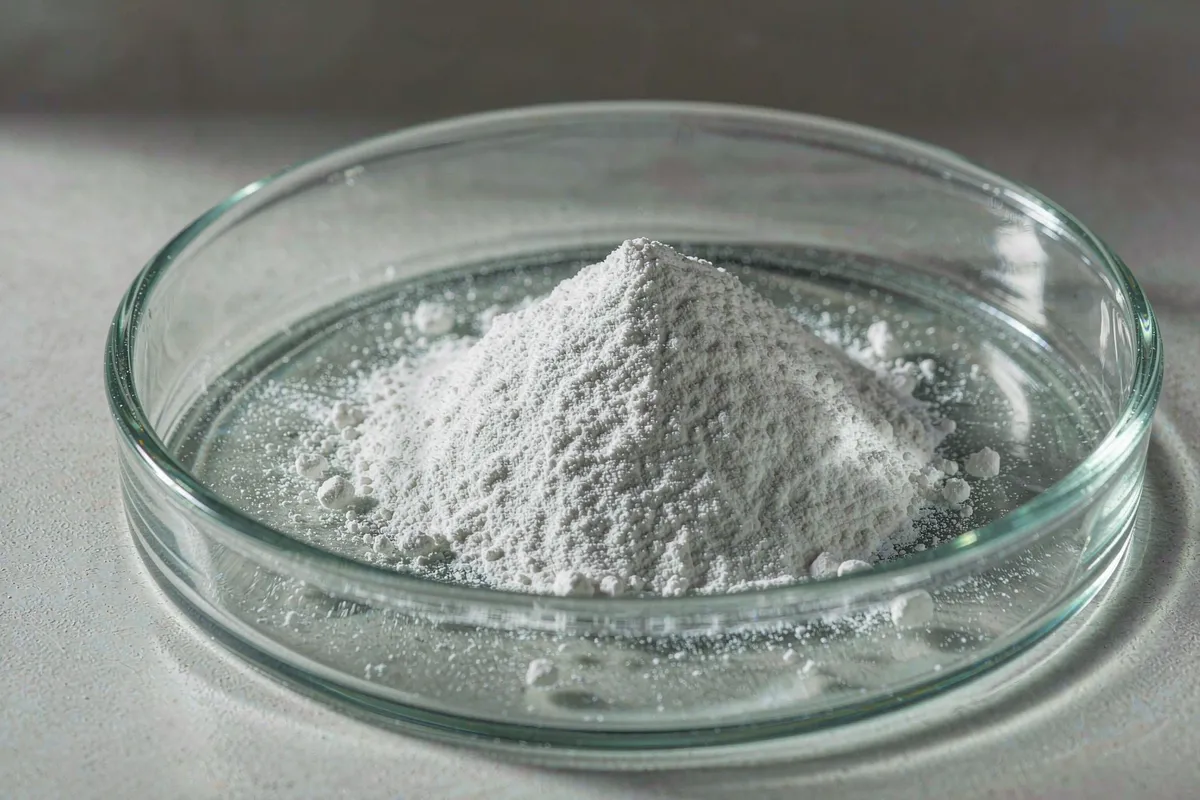
Our highest-assay magnesium oxide: 99.7% MgO minimum, with CaO, chloride and iron held low enough for electronic ceramics and soft magnetic ferrite. Choose it when trace impurities, not reactivity, are the risk.

CAS 1309-48-4 · MgO · ZH-V2

Minimum order quantity, lead time and packing depend on the grade and the order size — confirm them with us on an inquiry.

Specification

Full specification in the batch TDS

What you see above is what we publish openly. The complete parameter set — including the values still marked to be confirmed — is issued with the batch technical data sheet. Download the current TDS, or ask us for the full specification and the latest certificate of analysis.

Guaranteed value — Typical value — — On request
High Purity Magnesium Oxide ZH-V2 — Specifications
SpecificationsGuaranteed valueTypical value
MgO (%) On request ≥ 99.7% On request
CaO (%) On request On request On request
Chloride (Cl-) (%) On request ≤ 0.03% On request
Sulfate (SO4 2-) (%) On request On request On request
Iron (Fe) (%) On request On request On request
Acid insoluble matter (%) On request ≤ 0.03% On request
Loss on ignition (%) On request On request On request
Specific surface area (m²/g) On request On request On request
Particle size D50 (µm) On request On request On request
Bulk density (g/ml) On request ≤ 0.38 g/ml On request
Sieve residue (%) On request On request On request

Cells marked Values marked "On request" are grade-specific; our technical team issues them with the full data sheet.

Applications

Ceramics & Electronics — In a ceramic body MgO is small in the recipe and large in the result. It controls sintering and grain growth, and in soft magnetic ferrite it sits at the grain boundary — which is where magnetic loss is decided.
Flame Retardants — Mg(OH)₂ does not fight fire with chemistry that produces toxic gas. It gets hot, decomposes endothermically, releases water vapour and leaves a magnesium oxide char. That single difference is why it is specified in cables, rail interiors and building products.

Packaging and storage

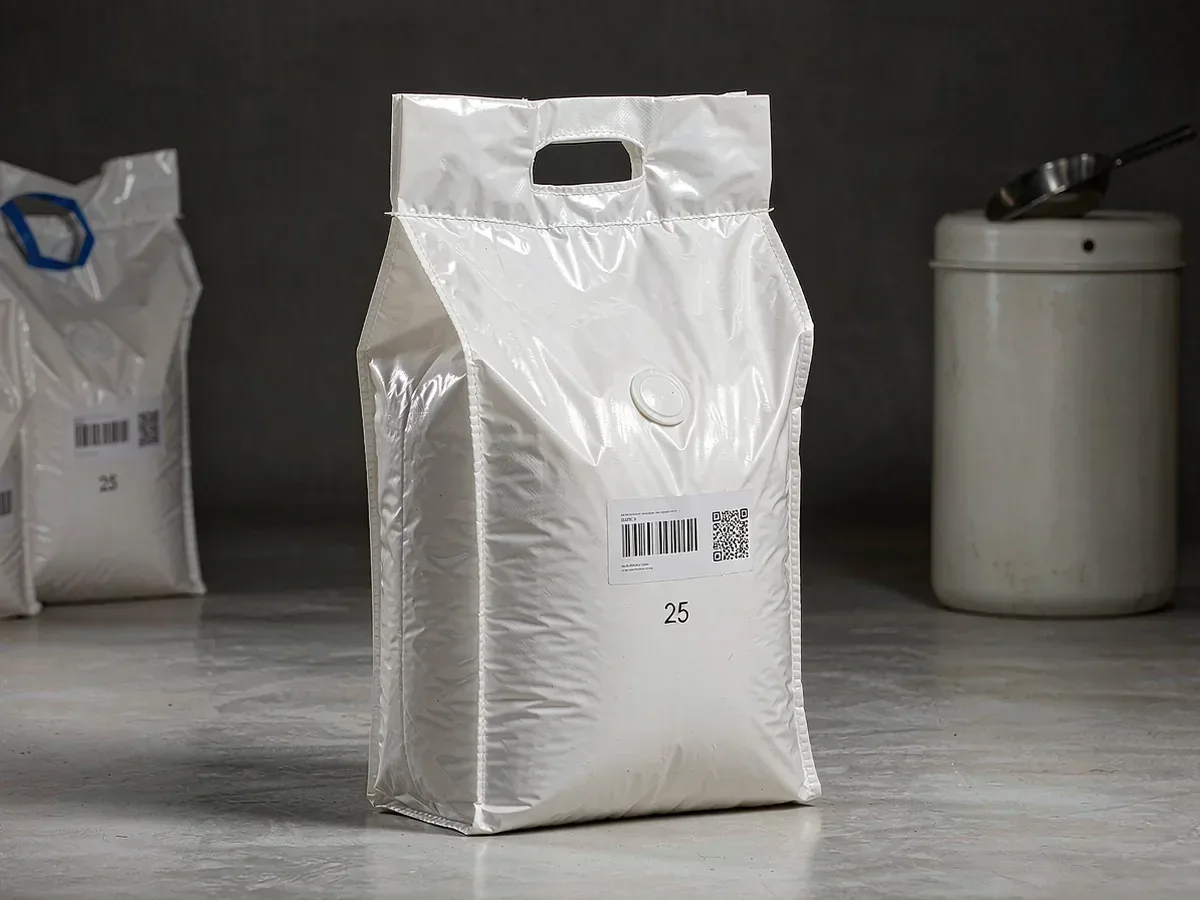
25 kg multi-wall kraft bags with PE inner liner, palletised

  • 500 kg FIBC
  • 1,000 kg FIBC
  • neutral bags
  • custom print

Store sealed, dry, off the floor, in delivery order. Magnesium compounds pick up moisture and CO₂ from air.

Documents

Full Product Catalogue

CATALOG·PDF·Typical value·en

Magnesium Oxide Grade Table

TDS·PDF·Typical value·en

Magnesium Hydroxide Grade Table

TDS·PDF·Typical value·en

Magnesium Carbonate Grade Table

TDS·PDF·Typical value·en

Packing & Storage Guide

OTHER·PDF·Typical value·en

Sample Certificate of Analysis (example)

COA·PDF·Typical value·en

Related grades

Magnesium Oxide ZH-V3H

High Purity Magnesium Oxide ZH-V3H

≥ 99.5% · ≤ 0.025%

A 99.5% high purity magnesium oxide for applications that need purity and reactivity together — rubber vulcanisation, pharmaceutical and food formulations, fine-chemical synthesis. Move to ZH-V2 when iron and calcium become the constraint.

View details
Magnesium Oxide ZH-M600

Active Magnesium Oxide ZH-M600

≥ 99% · ≤ 0.2%

High-activity magnesium oxide with a specific surface area of at least 175 m²/g. A high-functionality fine inorganic material: adsorbs more, cures faster and reinforces more per kilogram than a dense grade.

View details
Magnesium Oxide ZH-V150

Active Magnesium Oxide ZH-V150

≥ 99% · ≤ 0.2%

Active magnesium oxide at 150 m²/g — one step below ZH-M600 on reactivity, one step above it on bulk density and handling. Choose it when 175 m²/g makes the powder too dusty or too fast for the line.

View details

Questions about this grade

In a rubber compound, is magnesium oxide a vulcanising agent, an accelerator or a filler?

It is a vulcanising agent and a vulcanisation activator — not an accelerator and not a filler. MgO controls scorch time, raises crosslink density and neutralises the acidic by-products of vulcanisation. If you dose it as if it were a filler, the compound will not cure the way your formulation expects.

What is the difference between light and heavy magnesium oxide or carbonate?

Bulk density. Light grades have low bulk density and high specific surface area — they react faster and occupy more volume per kilogram. Heavy grades are dense and free-flowing. Light is the conventional choice for rubber; heavy suits technical ceramics and volume-limited processes. A container of light material fills by volume long before it fills by mass, so quote by tonne and plan by cubic metre.

What is “active” magnesium oxide, and when do I need it?

Active MgO has a high specific surface area — ZH-M600 runs at 175 m²/g minimum and ZH-V150 at 150 m²/g. Specify it when reactivity is what your formulation is short of: adsorbents for harmful gases, electronic components, inks, and rubber or plastics where it functions as both filler and reinforcing agent. If the constraint is purity rather than reactivity, ZH-V2 or ZH-V3H is the right choice instead.

Request a Quote Now

Minimum order quantity, lead time and packing depend on the grade and the order size — confirm them with us on an inquiry.