Skip to content

Magnesium oxide in rubber — a vulcanising agent, not a filler

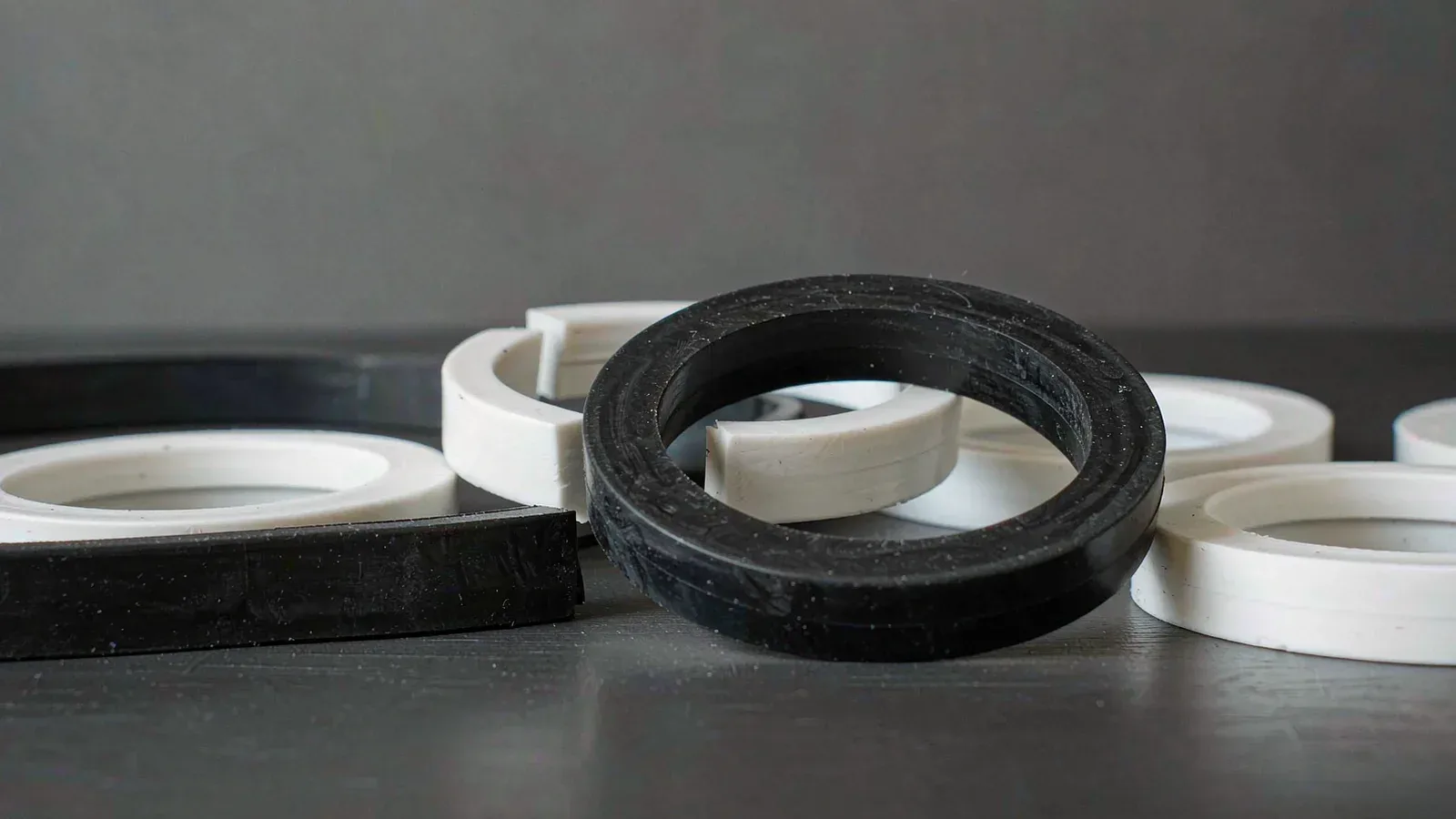
In a rubber compound MgO is a vulcanising agent and vulcanisation activator. It is not an accelerator, and it is not a filler. Confusing the three is why a compound that looked right on paper scorches on the mill.

What goes wrong in this industry

Scorch time drifts between batches and nobody can say why.

Cure is too slow at the same phr as the previous supplier's grade.

Light-coloured compounds cannot take carbon black and lose reinforcement.

Why Rubber & Elastomers

01MgO controls scorch time, raises crosslink density and neutralises the acidic by-products of vulcanisation.
02How fast it does that depends on specific surface area — which is why active grades exist.
03MgCO₃ reinforces light-coloured and transparent compounds that cannot take carbon black.
04Mg(OH)₂ carries flame retardancy into the compound in a single addition.

The trade-off you should plan for

Higher surface area cures faster but flows worse and dusts more. If your line is dusty or volume-limited, ZH-V150 instead of ZH-M600 is often the better trade.

Recommended grades

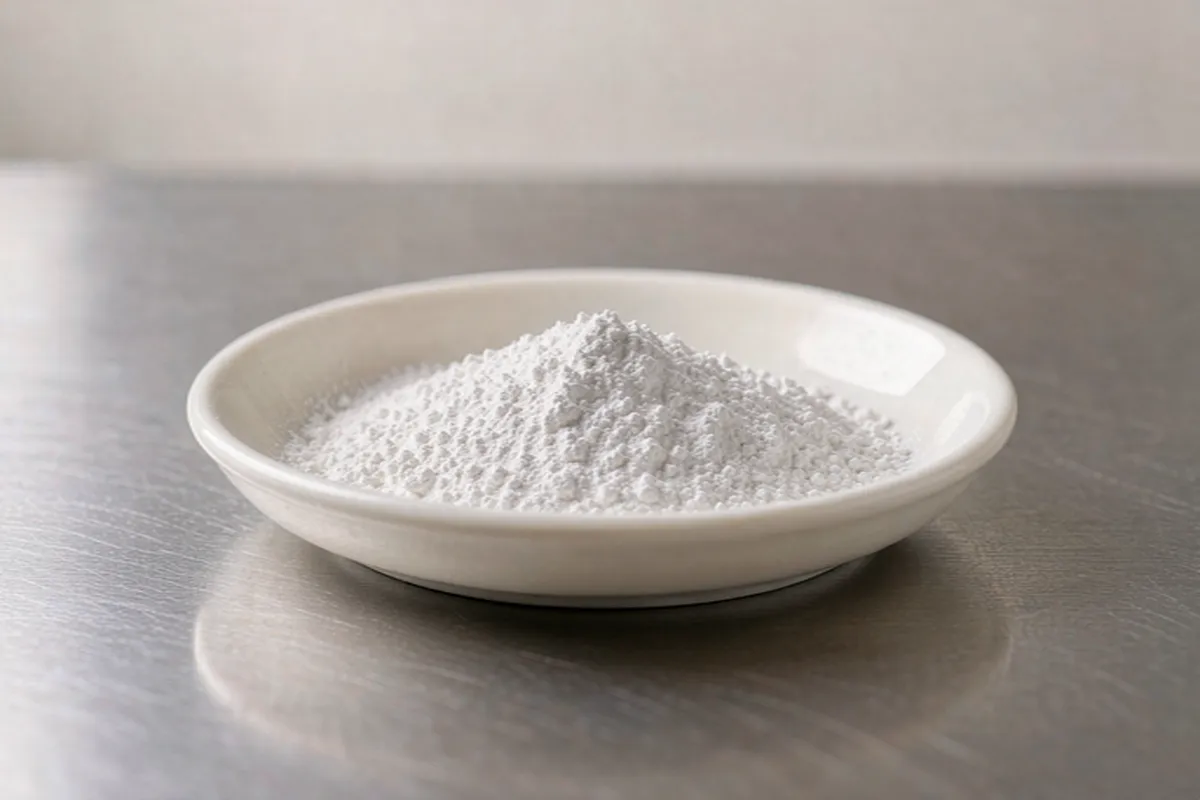
Magnesium Oxide ZH-V3H

High Purity Magnesium Oxide ZH-V3H

≥ 99.5% · ≤ 0.025%

A 99.5% high purity magnesium oxide for applications that need purity and reactivity together — rubber vulcanisation, pharmaceutical and food formulations, fine-chemical synthesis. Move to ZH-V2 when iron and calcium become the constraint.

View details
Magnesium Oxide ZH-M600

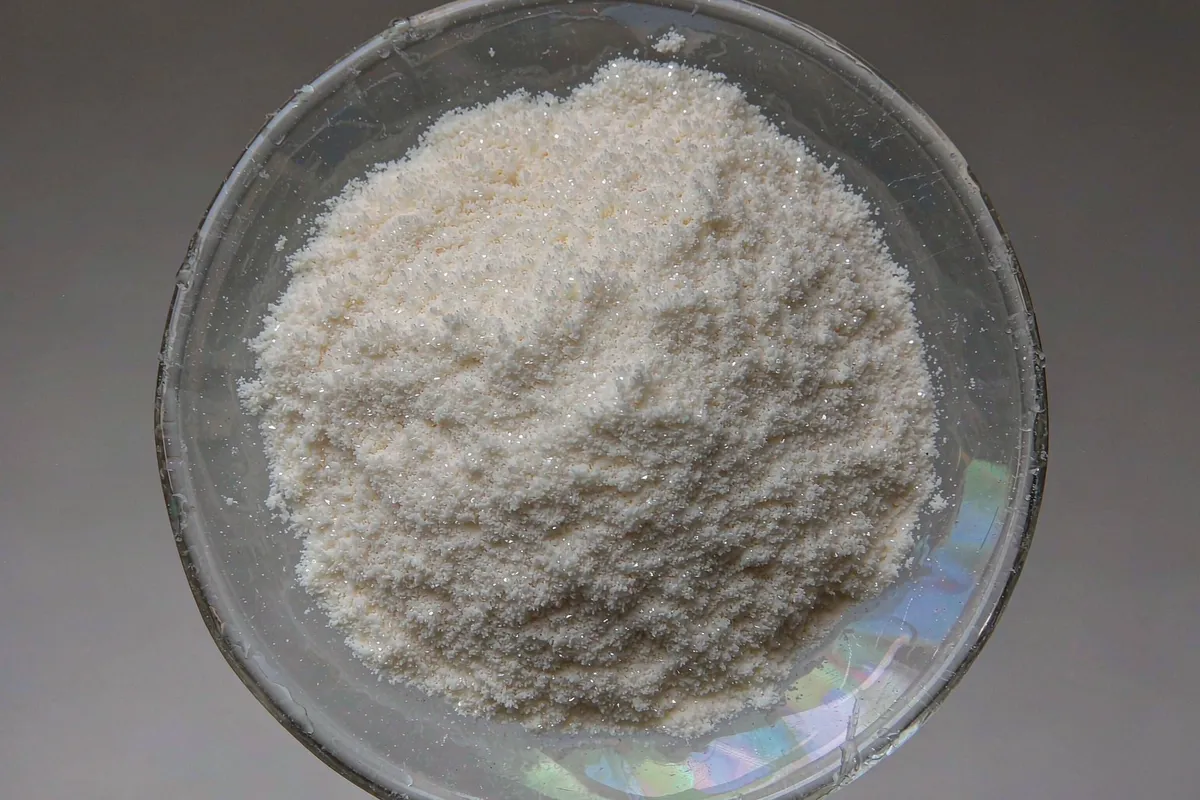
Active Magnesium Oxide ZH-M600

≥ 99% · ≤ 0.2%

High-activity magnesium oxide with a specific surface area of at least 175 m²/g. A high-functionality fine inorganic material: adsorbs more, cures faster and reinforces more per kilogram than a dense grade.

View details
Magnesium Carbonate

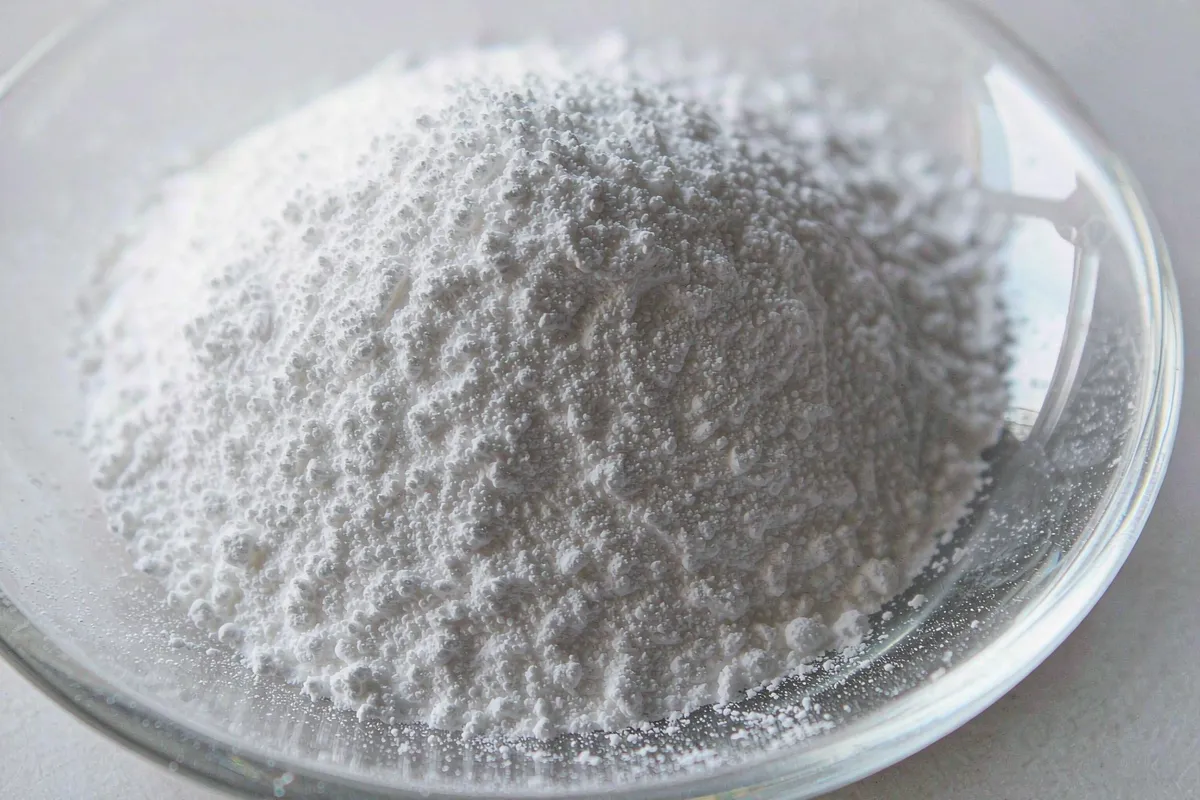
Light Magnesium Carbonate

≥ 42.9% · ≤ 0.01%

The low-bulk-density, high-specific-volume form of MgCO₃: very fine, bulky, easy to disperse. Used for rubber reinforcement and as a carrier and anti-caking agent in food and pharmaceutical powders.

View details

Processing notes

If scorch time is the problem, adjust specific surface area (ZH-V150 vs ZH-M600). If batch-to-batch inconsistency is the problem, check loss on ignition and surface area on the COA first.

Common questions

Can I get third-party inspection before shipment?

Yes. Independent inspection before loading is supported on request; you nominate the inspection company and the scope. Every batch is released against its own certificate of analysis in any case, and the tested value — not a range — is reported for every parameter.

Which heavy metals do you report?

Lead, arsenic, cadmium and mercury, tested per batch on food and pharma lots, with the measured value on the COA.

Which certifications do you hold?

We hold ISO 9001 for the design, development, manufacture and sales of magnesium compounds. No certificate number, issuing body or validity date is published until the client supplies them. Other certifications, including REACH registration, food-contact and pharmacopoeia documentation, halal and kosher, are confirmed per destination market before quotation — ask our team for the current document set.

Request a Quote

Send your grade and volume — we reply with a quotation and the technical data within one working day.